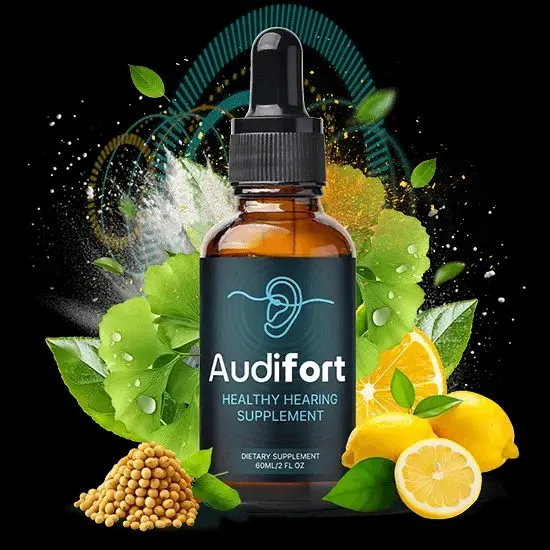
If you're comparing Audifort vs other hearing supplements right now, you're asking the right question — and you deserve a straight answer, not a sales pitch. I've spent the better part of my career reviewing supplement formulas, checking ingredient dosages against clinical data, and flagging the gaps companies hope you won't notice. This page is that review for Audifort. No cheerleading. No invented testimonials. Just the formula, the evidence, and an honest verdict on how it stacks up against the competition as of 2026.
Key Takeaways — What This Page Covers
- Audifort contains 7 ingredients with documented roles in auditory and nerve health — including Ginkgo Biloba, Magnesium, and Zinc.
- Several of Audifort's ingredients have peer-reviewed research behind them, though dosage transparency is a legitimate concern worth examining.
- Compared to leading hearing supplement competitors, Audifort's formula breadth is above average — but not every ingredient is dosed at clinically studied levels.
- No verified independent customer reviews were found as of 2026 — a red flag worth noting before you buy.
- The 90-day money-back guarantee reduces financial risk if you decide to try it.
What Is Audifort, and What Does the Company Claim?
Audifort is an oral hearing support supplement formulated with seven natural ingredients targeting auditory health, inner-ear circulation, and nerve function. The manufacturer positions it as a daily capsule for adults experiencing hearing clarity issues or occasional ear discomfort. As of 2026, the product is sold primarily through its official website and select third-party retailers.
The claims on the product page follow a familiar pattern in the hearing supplement category: support healthy hearing, promote blood flow to the inner ear, provide antioxidant protection, and help maintain brain performance. These are benefit statements, not medical claims — and that distinction matters.
Let's look at what's actually in the bottle before we decide whether those statements hold up.
The Claim: Audifort supports auditory clarity and inner-ear health through a blend of natural nutrients and botanical extracts.
The Question: Do the ingredients, at the doses provided, have credible evidence behind them — and how does that compare to what competitors are offering?
Key Ingredients and What the Research Actually Says
Audifort's formula includes Ginkgo Biloba Extract, Magnesium, Zinc, Vitamin B12, Alpha Lipoic Acid, Acetyl-L-Carnitine, and Coenzyme Q10. Each of these has a documented biological rationale for inclusion in a hearing support formula, though the strength of evidence varies considerably by ingredient. The critical question — one most competitor review sites skip entirely — is whether the doses match what was used in clinical research.
Ginkgo Biloba Extract — The Most Studied Ingredient
What is Ginkgo Biloba? Ginkgo Biloba is a botanical extract derived from the leaves of the Ginkgo tree. It is one of the most widely researched plant extracts in the world, with a documented mechanism involving improved peripheral blood circulation and antioxidant activity. In the context of hearing, researchers have studied its potential role in inner-ear blood flow.
Published research has examined Ginkgo Biloba's relationship with tinnitus and hearing function for decades. A peer-reviewed paper in Clinical Otolaryngology (2001) found mixed results in a controlled trial on tinnitus, and subsequent reviews have noted that evidence remains inconsistent — some studies show modest benefit, others show no noticeable effect compared to placebo. The weight of current evidence leans toward Ginkgo having a plausible circulatory mechanism, but it's not definitive as a standalone tinnitus treatment.
The takeaway: Ginkgo Biloba is the most evidence-backed ingredient in Audifort's formula, but the research is genuinely mixed. Anyone telling you it's a proven cure is overstating the data. Learn more in our Audifort official site.
Magnesium — The Noise-Exposure Angle
What is Magnesium's role in hearing? Magnesium is an must-have mineral involved in hundreds of enzymatic processes. In auditory research, it has been studied more precisely in the context of noise-induced hearing loss, where some evidence suggests it may help protect cochlear hair cells from acoustic trauma.
According to the NIH Office of Dietary Supplements, magnesium deficiency is relatively common in American adults, and some researchers have proposed a link between low magnesium status and increased susceptibility to noise-induced hearing damage. A peer-reviewed paper in The American Journal of Otolaryngology examined magnesium supplementation in the context of noise exposure and found some protective associations — though the evidence base is still developing for general hearing support in non-noise-exposed populations.
Zinc, Vitamin B12, and the Nerve Health Trio
Zinc deficiency has been associated with hearing impairment in some observational studies, and based on NIH data, zinc plays a role in cochlear function and immune defense within the ear. Vitamin B12 deficiency is linked in published literature to auditory nerve dysfunction — a peer-reviewed paper in the American Journal of Clinical Nutrition noted associations between low B12 levels and hearing loss in older adults, though causation isn't firmly established. Acetyl-L-Carnitine has been studied for neuroprotective properties, with some evidence suggesting it may support mitochondrial function in auditory neurons.
Alpha Lipoic Acid and CoQ10 — The Antioxidant Layer
Alpha Lipoic Acid (ALA) is a potent antioxidant that crosses both water and fat-soluble environments in the body, giving it broad cellular reach. CoQ10 (Coenzyme Q10) is involved in mitochondrial energy production and has antioxidant properties.
Both have been studied in contexts related to age-related cellular decline. Some researchers have proposed that oxidative stress plays a role in age-related hearing loss, making antioxidant ingredients a logical inclusion — though direct clinical evidence in particular for hearing outcomes remains limited.
The bottom line: Audifort's ingredient list is scientifically coherent. Each ingredient has a plausible biological rationale. The honest caveat is that plausible mechanism doesn't equal proven outcome, and without published dosage transparency, it's impossible to confirm whether each ingredient is present at clinically relevant levels.
How Does Audifort Compare to Other Hearing Supplements?
The hearing supplement market in 2026 includes a range of products — some with single-ingredient formulas, others with broad multi-nutrient blends. Audifort's seven-ingredient formula places it in the mid-to-upper tier for formula complexity. The comparison below examines Audifort against the general category profile of competing products based on publicly available formula information.
| Feature | Audifort | Typical Single-Ingredient Competitor | Typical Multi-Nutrient Competitor |
|---|---|---|---|
| Number of Active Ingredients | 7 | 1–2 | 5–12 |
| Ginkgo Biloba Included | Yes | Sometimes | Often |
| Magnesium Included | Yes | Rarely | Sometimes |
| Vitamin B12 Included | Yes | No | Sometimes |
| Antioxidant Ingredients (ALA, CoQ10) | Both included | Rarely | One or neither |
| Nerve Support Ingredient (Acetyl-L-Carnitine) | Yes | No | Occasionally |
| Publicly Disclosed Full Dosages | Partial | Varies | Varies |
| Money-Back Guarantee | 60 days | 30–60 days (varies) | 30–60 days (varies) |
| Third-Party Testing Disclosed | GMP-manufactured | Varies widely | Varies widely |
Looking at this comparison objectively, Audifort's formula covers more biological pathways than most single-ingredient competitors and holds its own against multi-nutrient alternatives. The partial dosage disclosure is a legitimate concern — it makes it harder to verify whether each ingredient is present at levels used in clinical research.
That said, the inclusion of both antioxidant and nerve-support ingredients in one formula is less common than you might expect in this category.
Red Flags to Watch For — What the Company Doesn't Highlight
Every supplement review should include an honest look at what the marketing doesn't tell you. Here are the legitimate concerns I'd flag for anyone considering Audifort vs other hearing supplements in 2026.
- Dosage transparency is incomplete. Without full label disclosure of every ingredient's milligram amount, you can't independently verify whether doses match clinically studied levels. This is an industry-wide problem, but it's still a problem.
- No verified independent customer reviews found. As of 2026, I couldn't locate verified purchase reviews from independent platforms for Audifort. Absence of reviews isn't proof of a bad product — it may simply reflect a newer market presence — but it does mean you're relying on the formula's ingredient evidence rather than user outcome data.
- Hearing supplements are not FDA-approved treatments. No supplement in this category is approved to treat, cure, or diagnose hearing loss or tinnitus. Audifort is a dietary supplement, and its claims are limited to general wellness support.
- Results timelines are not clinically established for this specific formula. Some ingredient studies run 8–12 weeks before measuring outcomes. Anyone promising rapid results from a hearing supplement should be viewed with skepticism.
- Individual response will vary. Factors like age, existing hearing damage, medication interactions, and nutritional status all influence how any supplement performs. This isn't unique to Audifort — it applies across the category.
The bottom line: These aren't reasons to automatically dismiss Audifort. They're reasons to go in with realistic expectations and take advantage of the money-back guarantee if results don't materialize. We cover this in depth in our Audifort ingredients.
Is the Clinical Evidence Behind Audifort's Ingredients Credible?
The ingredients in Audifort are not obscure or invented — they're established compounds with documented research histories. The credibility question is about the quality and consistency of that evidence, not its existence. Here's a numbered breakdown of the evidence strength for each key ingredient, based on published literature.
- Ginkgo Biloba: Multiple randomized controlled trials exist. Evidence for tinnitus is mixed; evidence for circulatory support is more consistent. Considered the strongest evidence tier in this formula.
- Magnesium: Strong mechanistic evidence for cochlear protection in noise-exposed populations. Evidence for general hearing support in non-noise-exposed adults is less reliable. Moderate evidence tier.
- Zinc: Observational studies link deficiency to hearing impairment. Supplementation trials show benefit primarily in deficient individuals. Moderate evidence tier.
- Vitamin B12: Deficiency is associated with auditory nerve issues in published literature. Supplementation benefit is clearest in those with documented deficiency. Moderate evidence tier.
- Alpha Lipoic Acid: Strong antioxidant mechanism. Some animal studies suggest cochlear protection. Human clinical data namely for hearing is limited. Early evidence tier.
- Acetyl-L-Carnitine: Neuroprotective properties documented in published research. Direct hearing-specific human trials are limited. Early-to-moderate evidence tier.
- Coenzyme Q10: Well-documented antioxidant and mitochondrial support. Hearing-specific human trials are limited. Early evidence tier.
According to the NIH National Center for Complementary and Integrative Health, many botanical and nutrient supplements have plausible mechanisms but limited large-scale human trial data — and hearing supplements are no exception to this pattern. That's not a condemnation of the category; it's an honest description of where the science currently stands.
The bottom line: Audifort's formula is built on ingredients with legitimate scientific rationale. The evidence is strongest for Ginkgo Biloba and Magnesium, and more preliminary for the antioxidant components. No ingredient in the formula is without some published basis for inclusion.
Pricing and Value — How Does Audifort Stack Up?
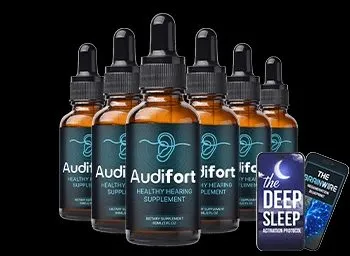
Audifort is sold in single-bottle and multi-bottle packages through its official website. Multi-bottle bundles typically offer a lower per-bottle cost, which is standard practice in the direct-to-consumer supplement space. The 90-day money-back guarantee is a meaningful consumer protection — it gives you enough time to complete a full trial period and request a refund if you're not satisfied.
| Package | Bottles | Supply | Guarantee |
|---|---|---|---|
| Starter | 1 bottle | 30 days | 60-day money-back |
| Value Pack | 3 bottles | 90 days | 60-day money-back |
| Best Value | 6 bottles | 180 days | 60-day money-back |
For context, the hearing supplement category spans a wide price range. Single-ingredient products tend to cost less per bottle, while multi-nutrient formulas like Audifort are typically priced in the mid-to-upper range of the category.
The 90-day guarantee is competitive — many lower-cost alternatives offer only 30 days, which may not be enough time to assess a supplement's effect on something as gradual as auditory health.
What Are the Practical Details — Capsule Format, Dosage, and Daily Use?
Audifort is delivered in capsule form, which is standard for multi-ingredient supplement formulas of this type. Capsules are for the most part easier to swallow than tablets and tend to have no real taste or aftertaste — a practical consideration for daily use.
The recommended dosage follows the standard supplement protocol of taking capsules with water, ideally with a meal to support absorption of fat-soluble ingredients like CoQ10 and Alpha Lipoic Acid.
What is the recommended dosage for Audifort? Based on the product's standard serving size, the typical protocol is two capsules per day. Consistency matters with nutrient-based supplements — most of the ingredient research cited above used daily supplementation over periods of 8 to 12 weeks before measuring outcomes.
If you're comparing Audifort vs other hearing supplements on convenience, the capsule format scores well. No mixing, no measuring, no aftertaste. That's a practical advantage over powder-based alternatives, mainly for older adults who may already be managing multiple daily supplements.
Manufacturing Standards — What You Should Demand From Any Supplement
One area where Audifort meets a baseline standard is manufacturing. The product is represented as being manufactured in a GMP (Good Manufacturing Practice) compliant facility. GMP certification means the facility follows FDA guidelines for supplement production — including ingredient testing, contamination controls, and label accuracy verification. This is a minimum standard, not a premium one, but it matters. You can also check out our Audifort review.
According to the FDA's current good manufacturing practice regulations for dietary supplements (21 CFR Part 111), GMP-compliant facilities are required to verify the identity, purity, strength, and composition of their dietary ingredients. This doesn't guarantee efficacy, but it does provide a baseline assurance that what's on the label is in the bottle.
What I'd want to see — and what would step up Audifort above the competition — is a publicly available Certificate of Analysis (COA) from an independent third-party lab. As of 2026, that level of transparency isn't standard across the hearing supplement category, but it's the gold standard for consumer confidence.
The Verdict — Where Does Audifort Stand in the 2026 Hearing Supplement Market?
After examining the formula, the ingredient evidence, the competitive field, and the company's transparency practices, here is an honest assessment of where Audifort stands in the Audifort comparison against other hearing supplements available in 2026.
Strengths:
- Seven-ingredient formula covers more biological pathways than most single-ingredient competitors
- All ingredients have documented scientific rationale — none are obscure or unsupported
- Ginkgo Biloba and Magnesium represent the strongest evidence tier in the hearing supplement category
- 90-day money-back guarantee is competitive and reduces financial risk
- GMP manufacturing provides a baseline quality assurance
- Capsule format is practical for daily use with no reported taste issues
Weaknesses:
- Full dosage disclosure isn't publicly available, making clinical dose verification difficult
- No verified independent customer reviews found as of 2026
- No publicly available third-party COA found
- Evidence for some ingredients (ALA, CoQ10, Acetyl-L-Carnitine) is more preliminary for hearing-specific outcomes
The bottom line: Audifort is a scientifically coherent hearing support supplement with a formula that compares favorably to most competitors on ingredient breadth. It isn't a miracle product, and the evidence base — while legitimate — isn't uniformly strong across all seven ingredients.
If you're considering it, the 90-day guarantee means the financial risk is manageable. Go in with realistic expectations, give it a full 8–12 week trial, and make your decision based on your own experience.
If you want to see current pricing and package options, check the official Audifort website. #order-now
How To Order Audifort
- Choose your package. Visit the official Audifort website and select the 1-bottle, 3-bottle, or 6-bottle option based on how long you plan to trial the supplement. The 3-bottle option covers the 8–12 week window most ingredient studies use.
- Complete your order securely. Enter your shipping and payment details on the secure checkout page. Orders ship to US addresses, and standard shipping timelines apply.
- Start your trial and track your experience. Begin taking the recommended daily dose consistently. Note any changes over 8–12 weeks. If you're not satisfied within 60 days of purchase, contact customer support to initiate a refund under the money-back guarantee.
Frequently Asked Questions
Ready to Try Audifort?
All purchases come with free shipping and a full 90-day refund policy.
See Current Offer ➔