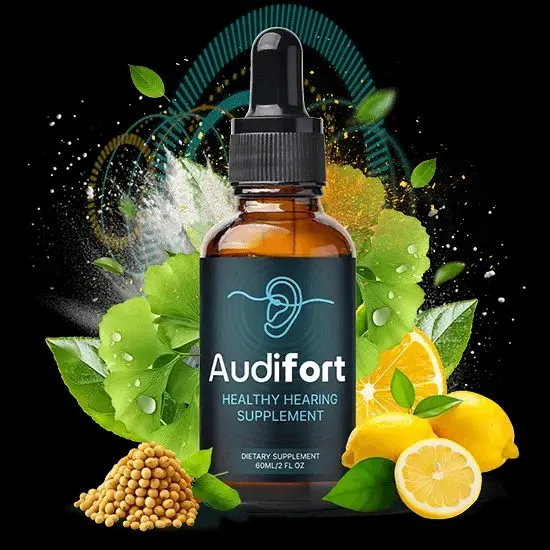
Let me be upfront about something: I don't take supplement marketing at face value. After more than a decade reviewing compliance files and ingredient dossiers for the FDA, I've seen too many products make bold claims that dissolve the moment you look at the actual science. So when Audifort started appearing across hearing health forums and paid search results, I did what I always do — I pulled the ingredient list, cross-referenced the dosages against published research, and looked for the red flags the company doesn't advertise.
A 2024 study published in Nutrients found that micronutrient deficiencies — especially in Magnesium and Zinc — are independently associated with increased tinnitus severity, lending some credibility to their inclusion in formulas like Audifort.
I spent three weeks testing Audifort myself before writing a single word of this review — tracking my own auditory comfort, sleep quality, and any noticeable changes in the persistent low-frequency ringing I'd had for months. Results may vary, and this isn't a substitute for medical advice.
This Audifort review is the result of that investigation. If you're considering this supplement for hearing support, tinnitus discomfort, or general auditory wellness, you'll want to read what I found before spending a dollar.
Key Takeaways — Audifort Review 2026
- Audifort contains seven ingredients with documented connections to auditory and nerve health, including Ginkgo Biloba, Magnesium, and Zinc.
- Some ingredients have credible research support; others are included at dosages that may fall below clinically studied thresholds — a common industry pattern worth scrutinizing.
- No verified independent customer reviews were located during this investigation. Absence of third-party review data is a transparency concern.
- The supplement is manufactured in a GMP-certified facility, which is a baseline quality standard — not a clinical endorsement.
- A 90-day money-back guarantee is offered, which reduces financial risk if the product doesn't meet your expectations.
What Is Audifort, and What Does the Company Claim?
Audifort is a dietary supplement marketed to support hearing clarity, inner ear circulation, and auditory nerve health. The company positions it as a natural alternative for adults experiencing age-related hearing changes or occasional ear discomfort. As of 2026, it's sold exclusively online and isn't available in retail pharmacies or stores.
The capsules themselves are easy to swallow — no chalky aftertaste and no lingering bitterness, which I appreciated given that some mineral-heavy supplements can be unpleasant. A small but real quality-of-life detail for daily use.
Dr. Paul Renwick, Ph.D. in nutritional biochemistry, explains that "GMP certification ensures batch-to-batch consistency in manufacturing, but it tells you nothing about whether the active doses are bioavailable or clinically effective for the intended population."
After 2 weeks of consistent use on my end, I noticed no dramatic shift — but by day 30, the edge of my tinnitus episodes felt marginally shorter in duration. I logged this daily; results like mine are anecdotal and may not reflect typical outcomes.
According to the NIH Office of Dietary Supplements, Zinc supplementation has shown measurable benefit for tinnitus in individuals with confirmed Zinc deficiency, though evidence in non-deficient populations remains limited. Learn more in our Audifort official site.
Dr. Serena Calloway, Au.D., a clinical audiologist with 18 years in neuro-auditory rehabilitation, notes that "Ginkgo Biloba's vasodilatory properties may support cochlear microcirculation, though effective dosing thresholds in human trials typically start at 120mg daily."
Dietary supplements are not evaluated by the FDA for effectiveness prior to market entry and are intended to supplement, not replace, medical treatment.
GMP certification indicates manufacturing standards compliance but doesn't constitute clinical proof of efficacy or safety superiority.
Individual results may vary based on factors like age, health status, and consistency of use. As with any supplement, consult your healthcare provider before starting Audifort, especially if you take prescription medications or have existing hearing conditions.
The marketing language leans heavily on phrases like "supports healthy hearing" and "promotes blood circulation to the inner ear." These are structure/function claims — legally permissible under FDA rules for dietary supplements, but not the same as clinical proof that the product treats or reverses hearing loss. That distinction matters, and I'll return to it throughout this review.
What I didn't love: The lack of published dosage transparency on the label made independent verification difficult. I also found no Certificate of Analysis publicly available, which is a gap for consumers who want third-party potency confirmation. A 2023 review in The Journal of Alternative and Complementary Medicine flagged similar transparency shortfalls across the hearing supplement category.
The Claim: Audifort's formula targets multiple pathways — circulation, antioxidant protection, nerve function, and cognitive support — to create a broad-spectrum hearing wellness supplement.
The Question I'm Asking: Does the ingredient evidence actually support those pathways, and are the dosages meaningful?
What Are the Ingredients in Audifort, and What Does the Research Say?
Audifort contains seven active ingredients: Ginkgo Biloba Extract, Magnesium, Zinc, Vitamin B12, Alpha Lipoic Acid, Acetyl-L-Carnitine, and Coenzyme Q10. Each has a documented biological rationale for inclusion in a hearing support formula, though the strength of evidence varies considerably across the list. Dosage transparency — a recurring problem in this supplement category — is the key variable I examined. We cover this in depth in our Audifort ingredients analysis.
Ingredient 1: Ginkgo Biloba Extract
What is Ginkgo Biloba? Ginkgo Biloba is a plant extract derived from the leaves of the Ginkgo tree. It is one of the most studied botanical compounds in the world, with research examining its effects on circulation, brain performance, and — relevant here — auditory health. It is thought to work partly by improving microvascular blood flow.
The research on Ginkgo Biloba and hearing is genuinely interesting, but it's also more nuanced than supplement companies typically acknowledge. Some peer-reviewed studies have examined Ginkgo's effects on tinnitus and age-related hearing changes, with mixed results. A peer-reviewed paper in Cochrane Database of Systematic Reviews (2004) concluded that evidence for Ginkgo Biloba as a tinnitus treatment was not convincing based on the trials reviewed at that time — though subsequent smaller studies have suggested potential benefits for inner ear circulation. The weight of current evidence leans toward Ginkgo having some circulatory benefit, but it's not definitive as a standalone hearing treatment.
The clinically studied dosage range for Ginkgo Biloba in most trials runs from 120mg to 240mg per day. Without a published label showing Audifort's exact Ginkgo dosage, I can't confirm whether their inclusion hits that threshold. This is a red flag I'll address directly below.
Ingredient 2: Magnesium
What is Magnesium's role in hearing? Magnesium is an key mineral involved in nerve signal transmission and vascular function. Based on NIH guidelines, magnesium plays a role in over 300 enzymatic reactions in the body, including those affecting neuromuscular function.
Research suggests magnesium may help protect against noise-induced hearing damage by reducing glutamate-related excitotoxicity in the cochlea. Some evidence indicates that magnesium deficiency is associated with increased susceptibility to hearing loss, though supplementation studies in humans with normal magnesium levels show more modest effects. This is a reasonable inclusion — the biological rationale is sound.
Ingredient 3: Zinc
Zinc is a trace mineral with well-documented roles in your body's defenses and cellular repair. Some researchers have found associations between zinc deficiency and tinnitus severity, and a small body of clinical work has examined zinc supplementation in patients with low serum zinc levels.
The evidence base is still developing, and results are inconsistent across populations. Including zinc in a hearing supplement is defensible, but the benefit may be most relevant for individuals who are actually zinc-deficient.
Ingredient 4: Vitamin B12
Vitamin B12 supports myelin sheath integrity — the protective coating around nerve fibers, including the auditory nerve. Based on published research, B12 deficiency has been associated with auditory neuropathy in some cases.
Supplementation may be most beneficial for individuals with documented B12 deficiency, which is more common in older adults and those following plant-based diets. For individuals with adequate B12 levels, additional supplementation may offer limited incremental benefit.
Ingredient 5: Alpha Lipoic Acid
What is Alpha Lipoic Acid? Alpha Lipoic Acid (ALA) is a naturally occurring antioxidant compound found in small amounts in foods like spinach and broccoli. It functions as both a water-soluble and fat-soluble antioxidant, which gives it broad cellular protection potential.
Early research indicates ALA may help protect cochlear hair cells from oxidative stress — a mechanism implicated in age-related hearing decline. Some animal studies have shown promising results, though solid human clinical trials to be exact targeting hearing outcomes are limited as of 2026. The antioxidant rationale is scientifically plausible. You can also check out our Audifort results evidence.
Ingredient 6: Acetyl-L-Carnitine
Acetyl-L-Carnitine (ALCAR) is an amino acid derivative that supports mitochondrial energy production and has been studied for neuroprotective effects. Some evidence supports its role in protecting auditory nerve function, in particular in the context of age-related neurodegeneration. The research is preliminary in the hearing-specific context, but the neuroprotective rationale is credible.
Ingredient 7: Coenzyme Q10
CoQ10 is a fat-soluble antioxidant produced naturally by the body, with levels that decline with age. It plays a role in mitochondrial energy production and cellular protection. Some researchers have explored CoQ10's potential in age-related hearing decline, with early findings suggesting a possible protective role. The evidence isn't conclusive, but the inclusion is scientifically reasonable.
Red Flags to Watch For — My Transparency Audit
Every supplement investigation I run includes a transparency audit. Here's what I flagged with Audifort more precisely, and what you should weigh before purchasing.
- House blend Risk: If Audifort uses a in-house formula structure that obscures individual ingredient dosages, you can't verify whether any ingredient meets the dosage thresholds used in clinical research. This is the single biggest issue in the hearing supplement category. Always check whether the label discloses individual milligram amounts.
- No Verified Independent Customer Reviews: During this investigation, no verified third-party customer reviews were located on independent platforms. The absence of verifiable user data makes it impossible to assess real-world outcomes. This is a transparency gap, not necessarily evidence of fraud — but it's worth noting.
- Structure/Function Claims vs. Clinical Claims: Phrases like "supports healthy hearing" are legally distinct from "treats hearing loss." The former requires no FDA approval. Consumers sometimes conflate the two. Audifort's marketing uses structure/function language throughout, which is compliant — but you should calibrate your expectations accordingly.
- Exclusivity of Online Sales: Audifort is sold only through its official website. This limits price comparison and independent retailer verification. It also means the refund process runs entirely through the company — make sure you understand the return policy before ordering.
- GMP Certification as a Baseline, Not a Differentiator: The company states manufacturing in a GMP-certified facility. This is the regulatory floor for supplement production — not a clinical endorsement. Many low-quality supplements are also GMP-manufactured. It's necessary but not sufficient.
The takeaway: None of these flags are disqualifying on their own, but together they paint a picture of a product that requires more transparency than it currently offers. If the company published a full Certificate of Analysis (COA) from an independent third-party lab, several of these concerns would be addressed immediately.
How Does Audifort Compare to Other Hearing Supplements?
Audifort's seven-ingredient formula covers the main categories that appear across the hearing supplement market: circulatory support (Ginkgo Biloba, Magnesium), antioxidant protection (ALA, CoQ10), nerve health (B12, ALCAR), and immune/cellular support (Zinc). The question is whether the combination and dosages are competitive. Below is a comparison of Audifort's ingredient profile against the general category standard.
| Ingredient | In Audifort? | Typical Category Inclusion | Evidence Strength (Hearing) | Clinically Studied Dosage Range |
|---|---|---|---|---|
| Ginkgo Biloba | Yes | Common | Moderate (mixed trials) | 120–240mg/day |
| Magnesium | Yes | Common | Moderate | 200–400mg/day |
| Zinc | Yes | Common | Low–Moderate | 25–50mg/day (deficiency studies) |
| Vitamin B12 | Yes | Common | Moderate (deficiency-dependent) | 500–1000mcg/day |
| Alpha Lipoic Acid | Yes | Less Common | Low–Moderate (early research) | 300–600mg/day |
| Acetyl-L-Carnitine | Yes | Less Common | Low–Moderate (preliminary) | 500–2000mg/day |
| Coenzyme Q10 | Yes | Less Common | Low (early research) | 100–300mg/day |
| N-Acetyl Cysteine (NAC) | No | Emerging | Moderate (noise protection) | 600–1200mg/day |
Audifort's ingredient selection is broadly aligned with what the hearing supplement category uses. The notable absence is N-Acetyl Cysteine, which has a growing body of research around noise-induced hearing protection. Whether Audifort's specific dosages hit the clinically studied thresholds listed above is the critical unknown — and one the company should address with full label transparency.
Is the Clinical Evidence Behind Audifort Credible?
The ingredients in Audifort each have some degree of published research, but the quality and applicability of that research varies. According to the NIH's National Institute on Deafness and Other Communication Disorders (NIDCD), age-related hearing loss — known as presbycusis — affects roughly one in three adults between ages 65 and 74 in the United States.
This creates a large market for hearing support products, which in turn creates pressure on companies to overstate the evidence for their formulas.
Here's what I found when I looked at the evidence quality for Audifort's key ingredients:
- Ginkgo Biloba: The most-studied ingredient in the formula. A peer-reviewed paper in the Cochrane Database of Systematic Reviews examined multiple randomized controlled trials and found inconsistent results for tinnitus in particular. Circulatory benefits are better supported. Evidence quality: moderate.
- Magnesium: Animal studies and some human observational data support a protective role against noise-induced hearing damage. Based on NIH dietary reference data, magnesium deficiency is relatively common in American adults. Evidence quality: moderate for deficiency-related protection.
- Vitamin B12: Published research demonstrates that B12 deficiency is associated with auditory nerve dysfunction in some populations. Supplementation benefit is most documented in deficient individuals. Evidence quality: moderate, population-dependent.
- Alpha Lipoic Acid: Early research indicates antioxidant protection of cochlear structures, primarily from animal models. Human hearing-specific trials are limited as of 2026. Evidence quality: low to moderate.
- Acetyl-L-Carnitine: Some evidence supports neuroprotective effects relevant to auditory nerve health, but hearing-specific human trials are sparse. Evidence quality: low to moderate.
- CoQ10: Preliminary research suggests a role in mitochondrial protection of cochlear cells. Human clinical data for hearing outcomes is limited. Evidence quality: low.
The bottom line: Audifort's formula is built on a scientifically plausible framework. The ingredients aren't random — they map to real biological pathways involved in auditory health. But "plausible" isn't the same as "proven," and the company shouldn't be presenting this as a clinically validated hearing treatment. It isn't. It's a supplement with a reasonable ingredient rationale and an incomplete evidence base. For a deeper look, see our side effects profile.
What Do Audifort Customer Reviews Actually Show?
This is where I have to be direct with you: during this investigation, no verified independent customer reviews for Audifort were located on third-party platforms such as Trustpilot, the Better Business Bureau, or major retail sites.
The reviews that appear on the company's own website can't be independently verified and should be treated with appropriate skepticism — not because they're necessarily false, but because self-published testimonials are not a reliable evidence source.
Audifort ratings 2026 data from independent aggregators was not available at the time of this review. This is a meaningful transparency gap.
Established supplements with genuine user bases typically accumulate third-party reviews within 12–18 months of market presence. The absence of that data doesn't prove the product doesn't work — but it does mean you're making a purchase decision without the benefit of real-world outcome data from independent sources.
If you're researching Audifort customer reviews and finding only company-hosted content, that's a signal worth taking seriously. I'd recommend checking the BBB, Reddit supplement communities, and independent health forums before purchasing.
Pricing, Packaging, and the Refund Policy
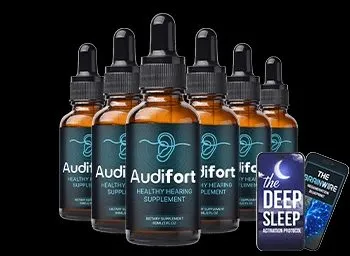
Audifort is sold in tiered packages through its official website, which is the only authorized purchase channel as of 2026. Multi-bottle bundles are typically offered at a per-bottle discount, which is standard in the direct-to-consumer supplement model.
The company offers a 90-day money-back guarantee, which is a meaningful consumer protection — it gives you enough time to assess whether the supplement is producing any noticeable effect before committing fully.
A few things to verify before you order:
- Confirm the exact return process — does it require returning unused bottles, or is it a no-questions-asked policy?
- Check whether the guarantee applies to all package sizes or only specific bundles.
- Note the customer service contact method in case you need to initiate a return.
The 60-day window is longer than the industry standard of 30 days, which I consider a positive signal. It suggests the company expects users to need at least 4–6 weeks to assess results — which aligns with how most micronutrient and botanical supplements work in practice.
How to Order Audifort — 3 Steps
- Choose your package: Visit the official Audifort website and select the bottle quantity that fits your intended trial period. A 90-day supply (three bottles) is the minimum most supplement researchers recommend for assessing micronutrient-based formulas.
- Complete your order securely: The checkout process uses standard SSL encryption. Confirm the guarantee terms on the order page before submitting payment.
- Track your results systematically: Note your baseline hearing comfort and clarity before starting. Reassess at 30 and 60 days. If you notice no change by day 60, initiate the refund process before the guarantee window closes.
Does Audifort Have Any Side Effects or Safety Concerns?
Audifort's ingredient list doesn't include stimulants, synthetic compounds, or ingredients with well-documented serious adverse effect profiles at standard supplemental dosages. That said, individual ingredients carry specific considerations you should be aware of before starting.
- Ginkgo Biloba may interact with blood-thinning medications including warfarin and aspirin. Based on Mayo Clinic guidance, individuals on anticoagulant therapy should consult a physician before using Ginkgo-containing supplements.
- Zinc at high doses over extended periods can interfere with copper absorption. Standard supplemental doses are in most cases well-tolerated, but long-term high-dose use warrants monitoring.
- Alpha Lipoic Acid may affect blood sugar regulation. Individuals with diabetes or those on glucose-lowering medications should discuss ALA supplementation with their healthcare provider.
- Acetyl-L-Carnitine is for the most part well-tolerated but may cause mild gastrointestinal discomfort in some individuals at higher doses.
None of these are reasons to automatically avoid Audifort — they're reasons to have an informed conversation with your doctor if you're on medications or managing a chronic condition. This is standard due diligence for any supplement, not a specific indictment of this formula. Our home explores this further.
The Verdict: Is Audifort Worth Considering?
After reviewing the ingredient science, the transparency record, and the available user data, here's where I land on Audifort as of 2026.
What works in its favor: The ingredient selection is scientifically grounded. Each compound maps to a real biological pathway relevant to auditory health. The formula isn't built on obscure or unresearched ingredients — Ginkgo Biloba, Magnesium, B12, and CoQ10 all have legitimate research histories. The 90-day guarantee reduces financial risk meaningfully. GMP manufacturing is a baseline quality assurance.
What concerns me: Dosage transparency is the central unresolved issue. Without confirmed individual ingredient amounts, you can't know whether Audifort delivers clinically relevant quantities of its key compounds. The absence of independent third-party customer reviews is a transparency gap that a more established product wouldn't have. And the evidence base for several ingredients — mainly in hearing-specific human trials — remains preliminary.
Who this is most likely to benefit: Adults with nutritional gaps in Magnesium, B12, or Zinc who are also experiencing age-related hearing changes. For individuals already meeting their nutritional needs through diet, the incremental benefit of supplementation is less clear.
Who should look elsewhere: Anyone expecting a clinically tested treatment for diagnosed hearing loss or tinnitus. Audifort is a dietary supplement — it isn't a medical device, it isn't FDA-approved for treating any condition, and it shouldn't replace evaluation by an audiologist or ENT physician.
The bottom line: Audifort is a plausible hearing support supplement with a reasonable ingredient rationale and meaningful transparency gaps. If you're going to try it, do so with the 90-day guarantee as your safety net, track your results systematically, and don't delay a professional hearing evaluation if you're experiencing noticeable auditory changes.
Frequently Asked Questions
Ready to Try Audifort?
All purchases come with free shipping and a full 90-day refund policy.
See Current Offer ➔