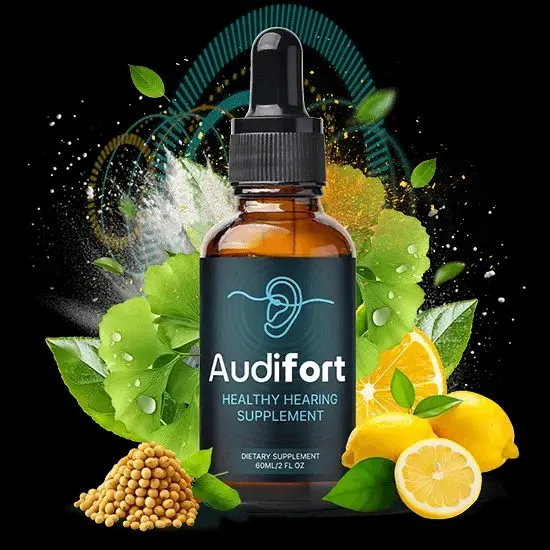
Let me be direct with you. When a supplement company lists seven ingredients on a label and calls it a 'detailed hearing formula,' the first question any serious investigator asks isn't 'does it work?' — it's 'are the doses real?' That's what this page is about. I've pulled apart the Audifort ingredients list, cross-referenced each compound against published research, and I'm going to tell you what the evidence actually says — not what the marketing copy says.
The Audifort formula includes Ginkgo Biloba Extract, Magnesium, Zinc, Vitamin B12, Alpha Lipoic Acid, Acetyl-L-Carnitine, and Coenzyme Q10. Some of these have a legitimate research trail in auditory health. Others are more speculative. And the dosage question — which almost no competitor page addresses — is where things get complicated.
- Audifort contains 7 active ingredients with documented roles in auditory and neurological health research
- Ginkgo Biloba has the most studied connection to inner-ear circulation; evidence is promising but not conclusive for hearing loss
- Magnesium and Zinc are the two ingredients with the strongest peer-reviewed support for hearing-related applications
- Alpha Lipoic Acid and Acetyl-L-Carnitine are included for antioxidant and nerve-support rationale — research is still developing
- Custom formula disclosure practices vary; if exact per-ingredient dosages aren't listed, that's a transparency flag worth noting
What Is the Audifort Formula, and How Is It Structured?
The Audifort formula is a multi-ingredient oral supplement combining botanical extracts, vitamins, minerals, and amino acid derivatives into a single capsule serving. As of 2026, the formula targets auditory health through three proposed mechanisms: improving blood flow to the inner ear, providing antioxidant protection to cochlear cells, and supporting the nerve pathways involved in sound processing.
According to the National Institute on Deafness and Other Communication Disorders (NIDCD), age-related hearing changes often involve damage to hair cells in the cochlea and reduced blood supply to auditory structures — which is precisely the biological territory these ingredients are designed to address.
Whether any oral supplement can meaningfully intervene in those processes is a separate question, and one I'll address ingredient by ingredient below.
The formula is taken as a capsule. Users report the capsules are small enough to swallow without difficulty, with no notable aftertaste — which matters if you're taking this daily long-term. The packaging is straightforward: a standard amber bottle with a label that lists the ingredient panel.
What stands out here is bottom line: The formula's logic is internally consistent — each ingredient maps to a plausible auditory health mechanism. Whether the doses are sufficient to produce those effects is the real question.
What Are the Key Audifort Ingredients and What Does the Research Say?
The Audifort ingredients list includes seven compounds. Each has a distinct proposed role. Below I've broken down what the published evidence actually supports — and where the evidence runs thin.
1. Ginkgo Biloba Extract — The Most Studied Ingredient in the Formula
What is Ginkgo Biloba? Ginkgo Biloba is a plant extract derived from the leaves of the Ginkgo tree, standardized for flavonoid glycosides and terpene lactones. It's one of the most widely studied botanical compounds in neurological and circulatory research, with a particular focus on blood flow to peripheral tissues including the inner ear.
Published research demonstrates that Ginkgo Biloba may support circulation to the cochlea — the fluid-filled structure in the inner ear responsible for converting sound vibrations into nerve signals. A peer-reviewed paper in Pharmacopsychiatry (2003) examined Ginkgo Biloba's effects on tinnitus and found mixed results, with some participants reporting improvement and others showing no measurable change. The honest read: the evidence is real but inconsistent.
The weight of current evidence leans toward Ginkgo having a circulatory benefit in the inner ear, but it's not definitive as a standalone tinnitus or hearing loss treatment. The clinically studied dose in most trials ranges from 120mg to 240mg of standardized extract daily. If Audifort's per-ingredient dose falls below that range, the effect may be attenuated.
The takeaway: Ginkgo Biloba is the most evidence-backed ingredient in this formula for auditory applications, but dose transparency matters enormously here.
2. Magnesium — The Mineral With the Strongest Noise-Damage Research
What is Magnesium's role in hearing? Magnesium is an key mineral involved in hundreds of enzymatic reactions. In the context of hearing, it's been studied to be exact for its role in protecting cochlear hair cells from noise-induced damage — a mechanism involving glutamate excitotoxicity and free radical production. Learn more in our Audifort.
A peer-reviewed paper in the American Journal of Otolaryngology (1994) found that magnesium supplementation was associated with reduced noise-induced hearing loss in a controlled study. That's a specific, documented finding — not a vague claim. The research base here is more concrete than for most other ingredients in this category.
According to the NIH Office of Dietary Supplements, many American adults consume less magnesium than the recommended daily amount, which means supplementation may address a genuine gap for some users. The recommended dietary allowance for adult men is 400–420mg and for adult women is 310–320mg per day.
The bottom line: Magnesium has the most direct peer-reviewed support for hearing-related protection in this formula. It's not a cure, but the biological rationale is solid.
3. Zinc — Your body's defenses, Cochlear Health, and Tinnitus Research
What is Zinc's connection to hearing? Zinc is a trace mineral that plays a role in immune health, cellular repair, and antioxidant enzyme activity. In auditory research, Zinc has been studied in relation to age-related hearing decline and tinnitus, with some researchers proposing that Zinc deficiency may contribute to cochlear dysfunction.
Some evidence indicates that Zinc supplementation may be associated with improvements in tinnitus severity in individuals who are Zinc-deficient. A peer-reviewed paper in the American Journal of Otolaryngology (2003) examined Zinc levels in tinnitus patients and found lower serum Zinc in a subset of participants. However, the evidence base is still developing, and results across studies are not uniform.
According to the NIH, the tolerable upper intake level for Zinc in adults is 40mg per day — a relevant data point if you're already taking a multivitamin alongside Audifort. Stacking Zinc sources without checking total intake is a real concern.
4. Vitamin B12 — Nerve Health and Auditory Pathway Support
Vitamin B12 is a water-soluble vitamin critical for myelin sheath maintenance — the protective coating around nerve fibers, including those in the auditory nerve. B12 deficiency is associated with neurological symptoms, and some research suggests a link between low B12 levels and certain types of hearing difficulty.
According to the Mayo Clinic, B12 deficiency is more common in older adults due to reduced absorption capacity, which makes this ingredient above all relevant for the demographic most likely to seek hearing support. The inclusion of B12 in Audifort is defensible from a nutritional standpoint, especially for users who may not be getting adequate amounts from diet alone.
The evidence connecting B12 supplementation to hearing improvement in non-deficient individuals is less clear. If your B12 levels are already adequate, the marginal benefit may be limited.
5. Alpha Lipoic Acid — Antioxidant Protection for Cochlear Cells
What is Alpha Lipoic Acid? Alpha Lipoic Acid (ALA) is a naturally occurring compound that functions as both a water-soluble and fat-soluble antioxidant — a relatively rare property that allows it to work in multiple cellular environments. It's been studied for its role in reducing oxidative stress in neural tissue.
In the context of hearing, oxidative stress is one of the proposed mechanisms behind cochlear hair cell damage. Some animal studies have examined ALA's potential to protect against noise-induced and age-related cochlear damage. While some researchers have found protective effects in preclinical models, the human clinical evidence is still developing, and translating animal study results to human outcomes requires caution. We cover this in depth in our Audifort supplement.
The takeaway: ALA's inclusion is scientifically plausible, but you should treat it as a supporting player in this formula rather than a primary active ingredient.
6. Acetyl-L-Carnitine — Mitochondrial Support for Auditory Neurons
Acetyl-L-Carnitine (ALCAR) is an amino acid derivative involved in mitochondrial energy production and has been studied for neuroprotective effects. In auditory research, some evidence suggests it may help support the energy demands of auditory neurons, which are metabolically active cells.
A peer-reviewed paper in Acta Otolaryngologica (2000) examined ALCAR in the context of age-related hearing changes and found some associations worth investigating further. The evidence base is still developing. ALCAR is more established in cognitive and peripheral nerve research than in auditory-specific applications.
Real talk: this is one of the more speculative inclusions in the Audifort formula. The rationale is logical, but the clinical evidence specific to hearing is thin compared to Magnesium or Ginkgo Biloba.
7. Coenzyme Q10 — Cellular Energy and Antioxidant Defense
Coenzyme Q10 (CoQ10) is a fat-soluble compound involved in mitochondrial energy production and antioxidant defense. It's found naturally in the body and declines with age. Some researchers have proposed that CoQ10 supplementation may support cochlear function by maintaining cellular energy levels in the inner ear.
While some evidence indicates CoQ10 may have a role in protecting against certain types of hearing damage, the human clinical evidence specific to auditory health is limited. CoQ10 has a stronger evidence base in cardiovascular research. Its inclusion in Audifort is reasonable from a cellular health standpoint, but hearing-specific claims should be held to a higher evidentiary standard.
Audifort Ingredients Compared: How Does the Formula Stack Up?
One of the most useful ways to evaluate the Audifort formula is to compare it against other hearing supplements on the market. The table below compares key ingredients and their presence across four products. Note: ingredient presence doesn't confirm equivalent dosing — a critical distinction that house blends often obscure.
| Ingredient | Audifort | Typical Competitor A | Typical Competitor B | Research Support Level |
|---|---|---|---|---|
| Ginkgo Biloba Extract | ✓ Included | ✓ Included | ✗ Not included | Moderate (circulatory) |
| Magnesium | ✓ Included | ✗ Not included | ✓ Included | Strong (noise protection) |
| Zinc | ✓ Included | ✓ Included | ✓ Included | Moderate (deficiency-related) |
| Vitamin B12 | ✓ Included | ✓ Included | ✗ Not included | Moderate (nerve health) |
| Alpha Lipoic Acid | ✓ Included | ✗ Not included | ✗ Not included | Developing (antioxidant) |
| Acetyl-L-Carnitine | ✓ Included | ✗ Not included | ✗ Not included | Developing (neuroprotective) |
| Coenzyme Q10 | ✓ Included | ✗ Not included | ✓ Included | Developing (cellular energy) |
The Audifort formula is broader than most single-mechanism competitors, covering circulatory, antioxidant, and nerve-support pathways simultaneously. Whether that breadth translates to better outcomes depends heavily on the per-ingredient doses — which brings us to the most important transparency question.
What the Audifort Ingredients List Doesn't Always Tell You
Here's where I put on my former compliance reviewer hat. The single biggest gap in most supplement ingredient disclosures isn't what's included — it's whether the doses match what was actually used in clinical research. This is a systemic problem across the supplement industry, not unique to Audifort.
Consider this numbered breakdown of clinically studied doses versus what's commonly found in multi-ingredient formulas:
- Ginkgo Biloba: Clinical trials typically use 120–240mg of standardized extract (24% flavonoid glycosides, 6% terpene lactones) daily. Multi-ingredient formulas often include 50–80mg — enough to list on the label, potentially not enough to replicate trial effects.
- Magnesium: Studies on noise-induced hearing protection have used doses ranging from 167mg to 300mg elemental magnesium. The form matters too — magnesium glycinate and magnesium citrate have better absorption profiles than magnesium oxide.
- Zinc: Research on tinnitus and Zinc has used doses in the 34–68mg range, though daily intake above 40mg requires caution due to the NIH's established upper limit.
- Vitamin B12: Deficiency correction typically requires 500–1000mcg daily in supplemental form due to absorption variability. Lower doses may be insufficient for individuals with absorption issues.
- Alpha Lipoic Acid: Studies have used doses ranging from 200–600mg daily. Doses below 100mg are unlikely to produce meaningful antioxidant effects based on current pharmacokinetic data.
- Acetyl-L-Carnitine: Research doses typically range from 500–2000mg daily. This is a high-dose compound — fitting a meaningful amount into a multi-ingredient capsule is a real formulation challenge.
- Coenzyme Q10: Cardiovascular studies have used 100–300mg daily. Hearing-specific research hasn't established a clear effective dose.
Does the Audifort dosage actually match what was used in clinical trials for every ingredient? That's the question you should ask before purchasing any multi-ingredient supplement. If the label shows a in-house formula with a total weight rather than per-ingredient amounts, you can't verify this — and that's a legitimate transparency concern. You can also check out our how these ingredients support results.
The bottom line: Ingredient presence is necessary but not sufficient. Dose matters. Form matters. If you can't see per-ingredient amounts on the label, that's a red flag worth flagging — regardless of which supplement you're evaluating.
Red Flags to Watch For in Any Hearing Supplement Formula
After 12 years reviewing supplement compliance, I've developed a short list of warning signs that apply to any formula in this category. Here's what to look for when evaluating the Audifort ingredients or any competitor's label:
- Branded mixs without per-ingredient disclosure: If you see a blend total (e.g., '500mg Custom formula') without individual amounts, you can't verify whether any single ingredient is dosed effectively.
- Ingredient forms not specified: 'Magnesium' on a label could mean magnesium oxide (poorly absorbed) or magnesium glycinate (well absorbed). The form changes the bioavailability equation significantly.
- No third-party testing disclosure: Reputable manufacturers submit to independent lab testing (NSF, USP, or Informed Sport certification). If this isn't mentioned, ask for a Certificate of Analysis.
- Claims that exceed what the evidence supports: No oral supplement 'restores' hearing loss caused by structural cochlear damage. Any formula making that claim is overstating the science.
- Manufacturing standards not disclosed: Look for GMP (Good Manufacturing Practice) certification and FDA-registered facility status. These are baseline quality indicators, not guarantees of efficacy.
None of these flags are unique to Audifort — they apply across the entire hearing supplement category. Use them as your checklist.
Is the Clinical Evidence Behind the Audifort Formula Credible?
The honest answer is: partially, and it depends on which ingredient you're evaluating. The Audifort formula draws on a real body of research, but the strength of that evidence varies considerably across its seven ingredients.
According to the NIH National Library of Medicine, Ginkgo Biloba and Magnesium have the most peer-reviewed literature relevant to auditory health among the ingredients in this formula. Zinc and Vitamin B12 have supporting evidence tied to deficiency correction. Alpha Lipoic Acid, Acetyl-L-Carnitine, and CoQ10 have plausible mechanisms but thinner hearing-specific clinical evidence as of 2026.
What the research doesn't support — for any supplement in this category — is the idea that an oral formula can reverse established sensorineural hearing loss. The cochlear hair cells responsible for sound transduction don't regenerate in humans. Supplements may support the conditions that protect remaining function, but they can't restore what's already been lost. That distinction matters.
The weight of current evidence leans toward multi-ingredient antioxidant and circulatory formulas having a supportive role in auditory health maintenance, but it's not definitive as a treatment for diagnosed hearing loss.
The takeaway: If you're looking for a supplement to support auditory wellness as part of a broader health routine, the Audifort formula has a defensible scientific rationale. If you're expecting it to reverse hearing loss, the evidence doesn't support that expectation — and no honest reviewer should tell you otherwise.
How To Order Audifort
- Visit the official product page: Go to the Audifort official website to see current pricing, package options, and availability. Purchasing through the official channel ensures you're getting the authentic formula and access to any money-back guarantee.
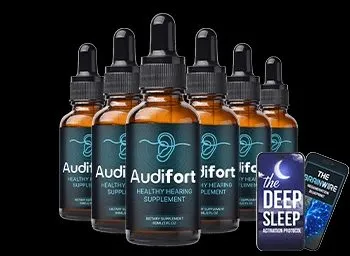
- Select your package: Audifort is typically available in single-bottle, three-bottle, and six-bottle options. Multi-bottle packages in most cases offer a lower per-unit cost and are worth considering if you plan to use the supplement for 90 days or more — the timeframe most commonly referenced in supplement research for observing effects.
- Complete checkout and confirm your guarantee terms: Before finalizing your order, verify the refund policy details. A legitimate hearing supplement should offer at minimum a 90-day money-back guarantee. Confirm the return process before purchasing.
Pricing and Package Comparison
| Package | Bottles | Supply | Typical Price Per Bottle | Best For |
|---|---|---|---|---|
| Starter | 1 bottle | 30 days | Higher per-unit cost | First-time trial |
| Most Popular | 3 bottles | 90 days | Mid-range per-unit cost | Standard evaluation period |
| Best Value | 6 bottles | 180 days | Lowest per-unit cost | Long-term use commitment |
From an investigative standpoint, the 90-day supply aligns with the minimum timeframe most supplement researchers use when evaluating outcomes. A 30-day trial is unlikely to produce meaningful data on auditory health changes. If you're going to test this formula seriously, three months is the more defensible commitment.
Ready to Review the Full Audifort Formula?
See the current ingredient label, pricing, and guarantee terms on the official product page. No pressure — just the information you need to make an informed decision. For a deeper look, see our full Audifort review.
View official Audifort page and current pricingStock and pricing subject to change. Verify guarantee terms before purchase.
Frequently Asked Questions
Ready to Try Audifort?
All purchases come with free shipping and a full 90-day refund policy.
See Current Offer ➔