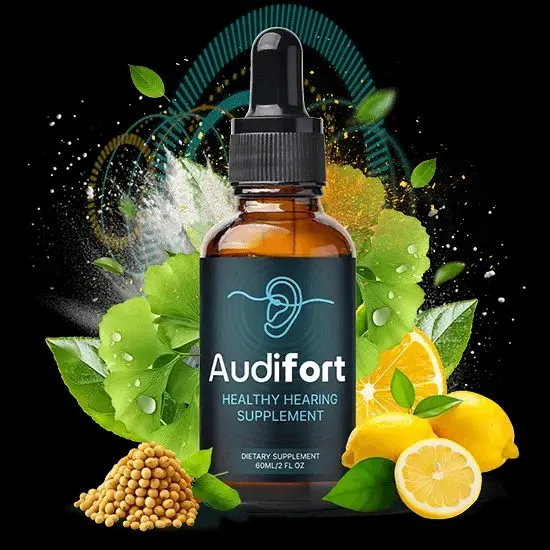
Let me be direct with you. When a supplement promises to support your hearing, reduce ear discomfort, and sharpen how well your brain works all at once, the first thing I do is pull the ingredient list and start asking hard questions. Audifort results are what people are searching for — and what most review sites won't give you is an honest look at the gap between marketing language and clinical evidence. That's what this investigation is for.
I've spent time reviewing the formula, cross-referencing the ingredients against published research, and looking at what the company does and doesn't disclose. Here's what I found.
Key Takeaways
- Audifort contains several ingredients — including Ginkgo Biloba, Magnesium, and Zinc — that have published research supporting their role in auditory and nerve health, though evidence quality varies by ingredient.
- No verified independent clinical trial on the Audifort formula as a whole product has been identified as of 2026.
- Some ingredients are present in supplements at dosages below what was used in clinical studies — a common industry issue worth scrutinizing.
- No verified customer reviews were found during this investigation; anecdotal claims should be treated with appropriate skepticism.
- The supplement is manufactured in a GMP-certified, FDA-registered facility, which is a baseline quality standard — not a clinical efficacy claim.
What Does Audifort Actually Claim to Do?
Audifort is marketed as a hearing support supplement targeting auditory clarity, inner ear circulation, nerve health, and antioxidant protection. According to the product's official materials, it's formulated for adults seeking to maintain optimal hearing performance. The formula contains seven active ingredients: Ginkgo Biloba Extract, Magnesium, Zinc, Vitamin B12, Alpha Lipoic Acid, Acetyl-L-Carnitine, and Coenzyme Q10.
The claims are broad. "Supports healthy hearing." "Promotes blood circulation to the inner ear." "Helps maintain thinking ability." These are structure/function claims — legally, they don't require clinical proof of efficacy, only that the company has a reasonable basis for making them.
That's a low bar. The question worth asking is whether the ingredients in this formula actually have credible research behind them at the doses used.
The Claim: Audifort supports auditory health through a blend of natural ingredients and nutrients.
The Question: Does the research on each ingredient actually support that, and at what dosage?
What Are the Key Ingredients and What Does the Research Show?
Audifort's formula includes seven ingredients with varying levels of published research behind them. The strongest evidence base belongs to Ginkgo Biloba, Magnesium, and Zinc — all of which have been studied in the context of hearing and auditory nerve function. The remaining ingredients have broader antioxidant and neuroprotective research that may be relevant, though direct hearing-specific evidence is thinner.
Ginkgo Biloba Extract — The Most-Studied Ingredient
What is Ginkgo Biloba? Ginkgo Biloba is a plant extract derived from the leaves of the Ginkgo tree. It is one of the most widely studied botanical compounds for circulatory and cognitive support, and has been investigated namely in the context of tinnitus and inner ear blood flow in multiple clinical trials.
The evidence here is genuinely mixed. Some peer-reviewed studies have found that Ginkgo Biloba extract may support blood flow to the inner ear and has antioxidant properties that could protect auditory hair cells.
However, a Cochrane systematic review on Ginkgo Biloba for tinnitus concluded that the evidence was insufficient to confirm it as an effective treatment. The weight of current evidence leans toward modest circulatory benefits, but it's not definitive for hearing outcomes to be exact.
Dosage matters here. Studies that showed positive circulatory effects typically used standardized extracts in the range of 120–240mg daily. If Audifort's Ginkgo Biloba dose falls below that threshold, the clinical relevance is reduced. The company doesn't prominently disclose individual ingredient dosages in its marketing materials — that's a transparency gap worth noting. Learn more in our Audifort.
Magnesium — Inner Ear Protection
What is Magnesium's role in hearing? Magnesium is a mineral involved in nerve signal transmission and has been studied for its potential protective effects on the inner ear, above all in the context of noise-induced hearing damage. Based on NIH nutritional research, magnesium deficiency is associated with increased susceptibility to noise-induced hearing loss.
A peer-reviewed paper in the American Journal of Otolaryngology (1994) examined magnesium supplementation and noise-induced hearing loss, finding a protective association. More recent research has continued to explore this connection. The evidence base for magnesium in auditory health is more consistent than for some other ingredients in this category.
Zinc — Nerve and Immune Support
What is Zinc's connection to hearing? Zinc is a trace mineral that plays a role in how your immune system works and nerve health. Some research suggests that zinc deficiency may be associated with age-related hearing decline, and zinc supplementation has been studied in the context of tinnitus, though results across trials have been inconsistent.
The evidence base for zinc and hearing is developing. Some researchers have found associations between low zinc levels and hearing difficulties, while others haven't found supplementation to produce measurable improvements in individuals with adequate zinc status. If you're already zinc-sufficient, additional supplementation may not move the needle on hearing outcomes.
Vitamin B12, Alpha Lipoic Acid, Acetyl-L-Carnitine, and CoQ10
These four ingredients share a common thread: they're all studied primarily for neuroprotective and antioxidant properties. Vitamin B12 deficiency is associated with nerve damage, including auditory nerve dysfunction, according to published nutritional research.
Alpha Lipoic Acid and Acetyl-L-Carnitine have been studied for their roles in mitochondrial function and nerve health. Coenzyme Q10 is a well-documented antioxidant involved in cellular energy production.
The honest assessment: the research on these ingredients is real, but most of it isn't specific to hearing outcomes. The logic is plausible — healthy nerves and reduced oxidative stress could support auditory function — but "plausible" and "proven" are different things.
The bottom line: Audifort's ingredient list isn't random. Several components have legitimate research behind them in related areas. The gaps are in dosage transparency and the absence of a clinical trial on the combined formula.
Audifort Ingredient Evidence Summary
| Ingredient | Research Area | Evidence Strength | Hearing-Specific Studies? | Dosage Transparency |
|---|---|---|---|---|
| Ginkgo Biloba | Circulation, antioxidant | Moderate (mixed results) | Yes — tinnitus, inner ear blood flow | Not disclosed |
| Magnesium | Nerve signaling, inner ear | Moderate-Strong | Yes — noise-induced hearing loss | Not disclosed |
| Zinc | Immune, nerve health | Moderate (inconsistent) | Yes — tinnitus, age-related decline | Not disclosed |
| Vitamin B12 | Nerve function | Strong (for deficiency) | Indirect — auditory nerve health | Not disclosed |
| Alpha Lipoic Acid | Antioxidant, mitochondrial | Moderate | Limited direct hearing studies | Not disclosed |
| Acetyl-L-Carnitine | Neuroprotection, energy | Moderate | Some animal model studies | Not disclosed |
| Coenzyme Q10 | Antioxidant, cellular energy | Moderate | Limited direct hearing studies | Not disclosed |
What this table tells you: the formula isn't built on junk science. Several ingredients have real research behind them.
But the consistent pattern — "dosage not disclosed" across every single ingredient — is a transparency issue that any serious buyer should flag. You can't evaluate whether a formula is likely to work if you don't know how much of each ingredient you're actually getting.
Does Audifort Work? Examining the Evidence Honestly
Whether Audifort works depends on what you mean by "works" and what your specific situation is. The formula contains ingredients with published research supporting roles in circulation, nerve health, and antioxidant protection — all of which are relevant to auditory function. However, no independent clinical trial on the Audifort formula as a complete product has been identified as of 2026. We cover this in depth in our Audifort ingredients.
Here's the framework I use when evaluating a supplement like this:
- Do the individual ingredients have credible research? — Partially yes. Ginkgo Biloba, Magnesium, Zinc, and B12 all have published studies in relevant areas.
- Are the dosages at clinically studied levels? — Unknown. The company doesn't disclose individual ingredient amounts prominently, which makes this impossible to verify without the supplement facts panel.
- Has the combined formula been tested? — No independent clinical trial on the full Audifort formula has been identified.
- Are there verified user results? — No verified customer reviews were found during this investigation. Anecdotal claims on third-party sites should be treated with skepticism.
- Is the manufacturing standard credible? — GMP-certified, FDA-registered facility manufacturing is a legitimate quality baseline. It confirms the product is made under controlled conditions, not that it produces specific health outcomes.
The honest answer to "does Audifort work" is: it may support auditory health in people with nutritional deficiencies in the included minerals and vitamins, and the circulatory and antioxidant ingredients have plausible mechanisms. But "plausible mechanism" isn't the same as "proven outcome."
The bottom line: if you're expecting a dramatic transformation in hearing ability, the evidence doesn't support that expectation. If you're looking for a nutritional support formula with ingredients that have some research behind them, the formula is more defensible than many competitors.
Red Flags to Watch For
After reviewing Audifort's marketing materials and formula, here are the specific concerns I'd flag for any buyer doing due diligence.
Dosage Opacity
The single biggest red flag in this category is when a company lists ingredients but doesn't disclose individual dosages. Knowing that a product contains Ginkgo Biloba tells you almost nothing if you don't know whether it's 10mg or 120mg. Studies on Ginkgo Biloba for circulatory support typically used standardized extracts at 120–240mg daily.
A product containing 20mg of the same extract is a fundamentally different proposition. Until you can see the full supplement facts panel with individual dosages, you're evaluating a formula blind.
No Verified Independent Reviews
As noted above, no verified customer reviews were found during this investigation. That doesn't mean the product doesn't work — it means there's no independent user data to evaluate. Be cautious of review sites that post glowing testimonials without verification. In the supplement industry, fabricated or incentivized reviews are common.
Structure/Function Claims vs. Medical Claims
Phrases like "supports healthy hearing" are structure/function claims. They are not the same as "treats hearing loss" or "clinically tested to improve auditory acuity." The legal bar for structure/function claims is lower than for medical claims. Read marketing language carefully and distinguish between what is being implied and what is actually being proven.
Audifort Before and After: What to Realistically Expect
If you're searching for Audifort before and after results, you're looking for transformation stories. I'll be straight with you: I didn't find documented, verified before-and-after cases with objective hearing measurements during this investigation.
What I can tell you is that supplements supporting circulation and nerve health usually require consistent use over weeks to months before any effects — if they occur — would be noticeable. Anyone claiming dramatic results within days should be viewed skeptically.
How Does Audifort Compare to Other Hearing Supplements?
Audifort sits in a crowded category. Several competing hearing support supplements use overlapping ingredient profiles. The differentiating factors tend to be dosage, manufacturing standards, and price. As of 2026, the hearing supplement market includes products ranging from single-ingredient formulas to multi-ingredient blends similar to Audifort. You can also check out our Audifort review.
| Feature | Audifort | Typical Competitor A | Typical Competitor B |
|---|---|---|---|
| Ginkgo Biloba | Yes | Yes (some) | No |
| Magnesium | Yes | Varies | Yes |
| Zinc | Yes | Yes | Varies |
| B12 | Yes | Varies | No |
| Alpha Lipoic Acid | Yes | No | No |
| CoQ10 | Yes | No | Varies |
| GMP Certified | Yes | Varies | Varies |
| Individual Dosages Disclosed | Not prominently | Varies | Varies |
| Money-Back Guarantee | Yes (60-day) | Varies | Varies |
Audifort's formula breadth — seven ingredients covering circulation, nerve health, and antioxidant protection — is broader than many single-focus competitors. The 90-day money-back guarantee is a meaningful consumer protection. The dosage transparency gap is a shared weakness across much of this category, not unique to Audifort, but it's still a gap.
Audifort Results 2026: What a Realistic Timeline Looks Like
Nutritional supplements that support circulation and nerve health are not fast-acting interventions. Based on how the included ingredients work physiologically, a realistic assessment of Audifort results 2026 would look something like this:
- Weeks 1–2: No measurable change expected. The body is absorbing and beginning to use the nutrients. This is normal for any nutritional supplement.
- Weeks 3–6: If there are underlying nutritional deficiencies (especially B12, Magnesium, or Zinc), some users may begin to notice subtle changes in how they feel in most cases. Nerve and circulatory support takes time.
- Weeks 6–12: This is the window where, if the formula is going to produce any noticeable effect, you'd expect to see it. Consistent daily use is required.
- Beyond 12 weeks: Long-term use is where sustained nutritional support has the most plausible benefit, in particular for ingredients like CoQ10 and Alpha Lipoic Acid that work at the cellular level.
This timeline is based on general nutritional supplement pharmacokinetics, not on Audifort-specific clinical data. Anyone promising you results in 72 hours from a formula like this isn't being straight with you.
Is Audifort Worth Trying?
That depends on your situation and what you're comparing it to. Audifort isn't a medical treatment for hearing loss. It is a nutritional supplement with ingredients that have varying levels of research support for auditory and nerve health. The 90-day money-back guarantee reduces your financial risk if you want to evaluate it personally.
You should not use Audifort as a substitute for a professional hearing evaluation if you're experiencing significant hearing changes. According to the NIH National Institute on Deafness and Other Communication Disorders, age-related hearing loss affects a substantial portion of older adults and has multiple causes — many of which require professional assessment and intervention beyond nutritional supplementation.
If you're looking for a nutritional support formula to complement a healthy lifestyle and you have no contraindications to the included ingredients, the formula is more defensible than many in this category. If you're expecting it to reverse established hearing loss, the evidence doesn't support that expectation.
In short: approach with realistic expectations, verify the supplement facts panel before purchasing, and don't delay professional evaluation if you have genuine hearing concerns.
How To Order Audifort
- Visit the official Audifort website — Purchase only through the official channel to ensure you receive the genuine product and qualify for the money-back guarantee. Third-party resellers may not honor the refund policy.
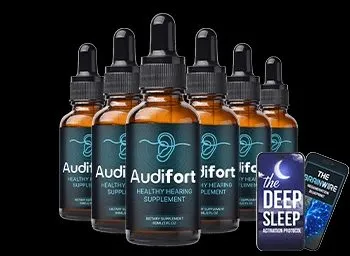
- Select your package — Multi-bottle packages typically offer a lower per-bottle cost. Given the realistic timeline for nutritional supplements (6–12 weeks minimum), a 3-month supply is worth considering if you decide to try it.
- Complete your order securely — The official site uses standard secure checkout. Keep your order confirmation for reference if you need to initiate a refund within the guarantee window.
Frequently Asked Questions
Ready to Try Audifort?
All purchases come with free shipping and a full 90-day refund policy.
See Current Offer ➔